
SUMMARY
The number of confirmed COVID-19 cases worldwide has surpassed 206 million, with more than 4.3 million deaths, according to the latest data from Johns Hopkins University.
Here is the latest:
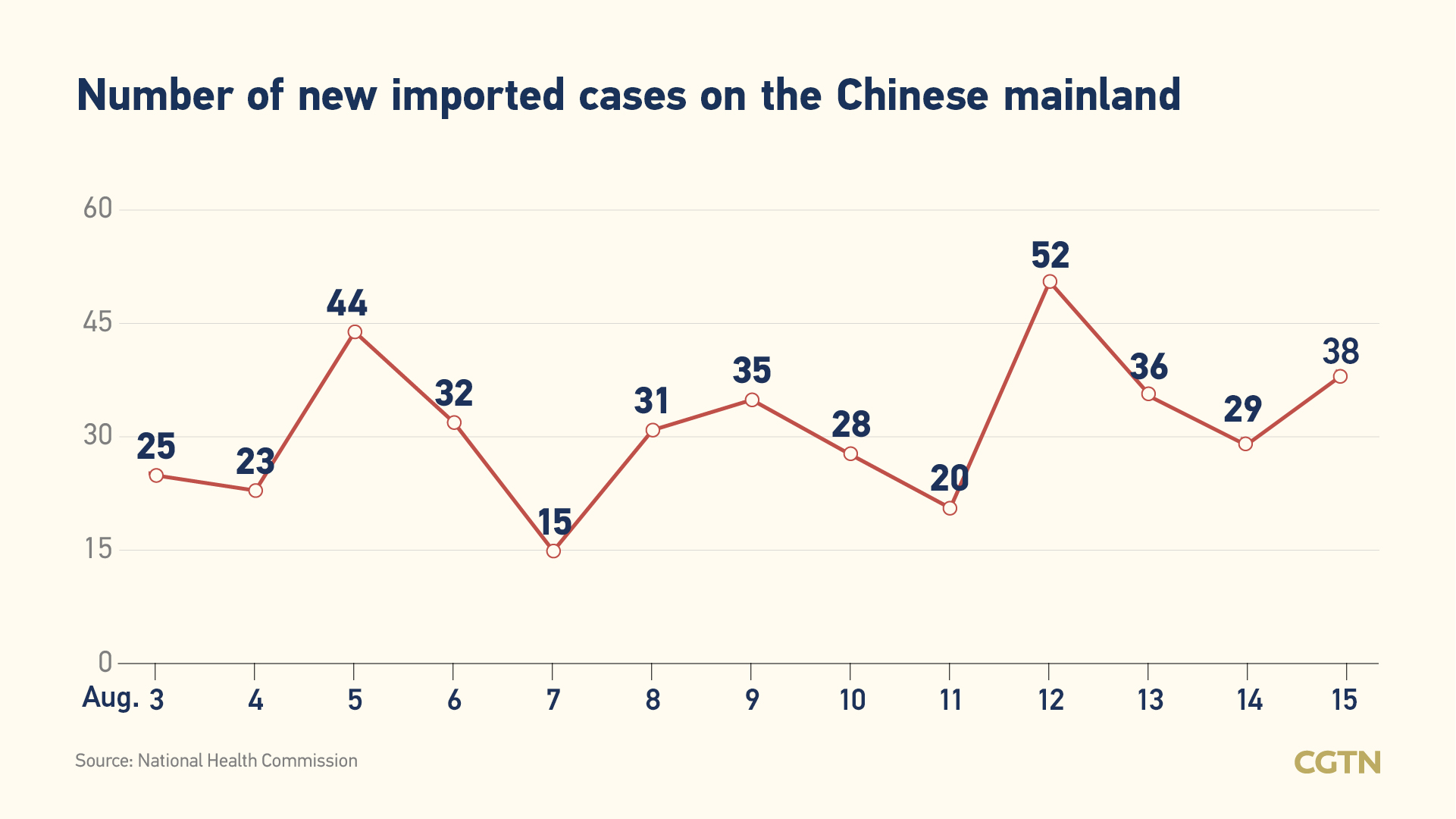
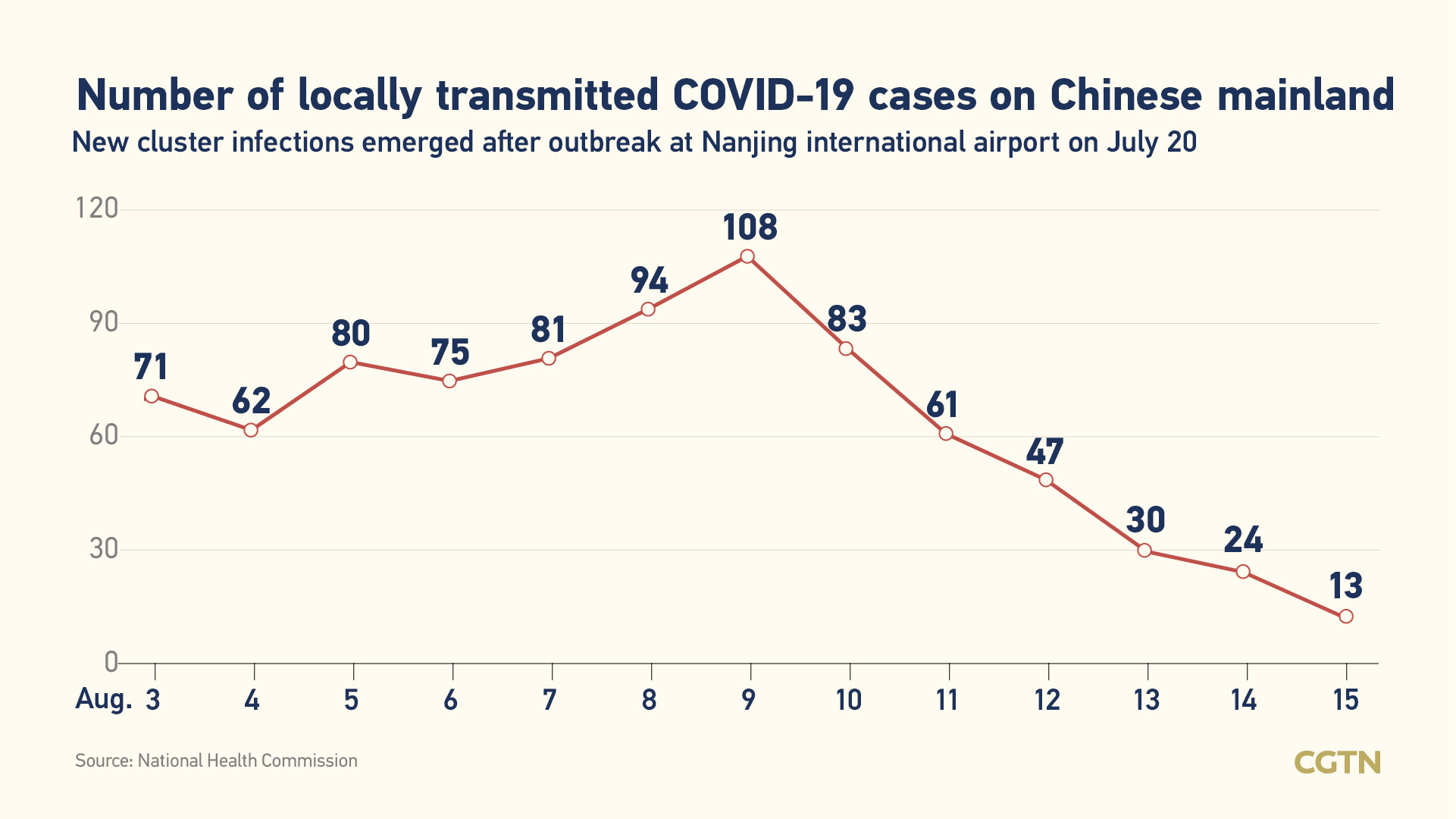
The Chinese mainland recorded 51 new confirmed COVID-19 cases on Sunday, including 13 cases of local transmission of the virus.
The number of people who have been vaccinated in Kenya against COVID-19 crossed the 2-million mark on Saturday, a major milestone for the east African nation as it races to give jabs to as many people as possible.
Australia's Sydney Saturday announced tighter COVID-19 restrictions including stricter policing and heavier fines for breaching stay-at-home orders in an attempt to contain the local outbreak.
Canada said it will soon require all federal public servants and many other workers to be vaccinated against COVID-19.
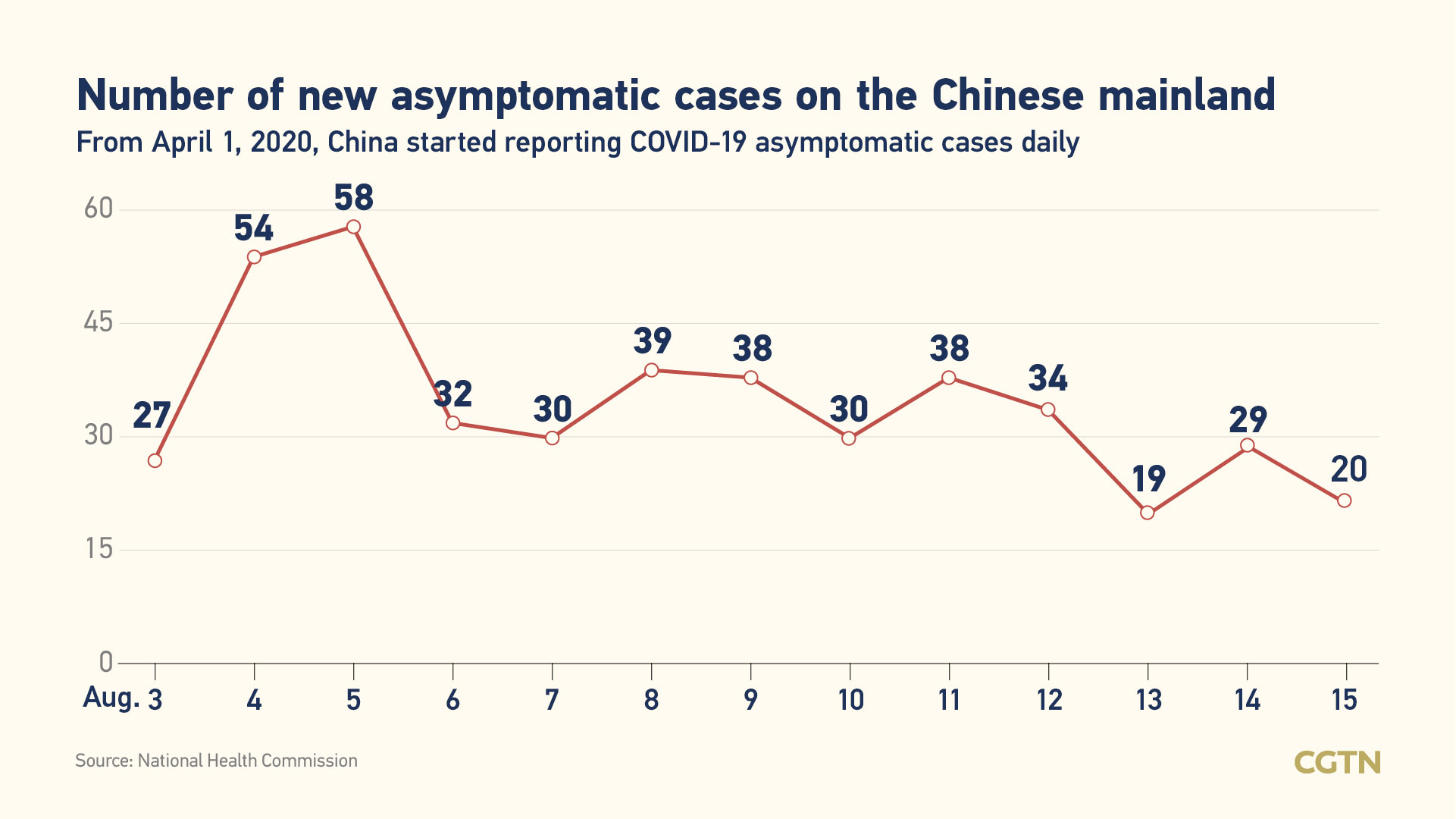
The Chinese mainland recorded 51 new confirmed COVID-19 cases on Sunday, with 13 being local transmissions and 38 from overseas, the latest data from the National Health Commission showed on Monday.
In addition, 20 new asymptomatic cases were recorded, while 495 asymptomatic patients remain under medical observation.
This brings the number of confirmed COVID-19 cases on the Chinese mainland to 94,430, with the death toll unchanged at 4,636.
The total number of confirmed cases in the Hong Kong and Macao special administrative regions and the Taiwan region is as follows:
Hong Kong: 12,033 (11,748 recoveries, 212 deaths)
Macao: 63 (57 recoveries)
Taiwan: 15,852 (13,172 recoveries, 821 deaths)

People walk through the midtown area of Manhattan on January 25, 2021, New York City, U.S. /CFP
The U.S. reported its first confirmed coronavirus case on January 20, 2020. However, there is growing evidence that suggests the virus emerged and was circulating in the country earlier than that.
Studies suggest earlier coronavirus infections in the U.S.
A study published on June 15, 2021 by the U.S. National Institutes of Health (NIH) was the latest and largest (in scale) to suggest that the novel coronavirus popped up in the U.S. as early as December 2019 with transmission in multiple states including Illinois, Massachusetts, Mississippi, Pennsylvania, and Wisconsin.
Scientists at the NIH found antibodies to the coronavirus, known as SARS-CoV-2, in nine blood samples out of more than 24,000 people who gave blood between January 2 and March 18, 2020.
A person's immune system develops antibodies when exposed to a pathogen like a virus to fight it off. Their presence suggests exposure to a virus. Antibodies usually take about 14 days to develop.
"There were probably very rare and sporadic cases here earlier than we were aware of. But it was not widespread and didn't become widespread until late February," Natalie Thornburg, principal investigator of the Centers for Disease Control and Prevention (CDC)'s respiratory virus immunology team, told AP after the study was published.

Merci de laisser votre commentaire sur mon blog je vais le lire avec joie